Dental Implants for Back Teeth: Function Meets Durability

Back teeth do the heavy lifting. They grind fibrous vegetables, break down meat, take the force of clenching, and absorb the repeated stress of chewing thousands of times a day. When one of those teeth is lost, patients often notice more than a gap. Food starts packing into the space. The bite shifts. The opposite tooth can begin to overerupt. A missing molar may not show when you smile, but it changes how your whole mouth works.
That is why replacing back teeth deserves serious thought. Front teeth are usually tied to appearance first. Posterior teeth, especially premolars and molars, are tied to efficiency, balance, and durability. Among the available options, Dental Implants have become one of the most reliable ways to restore that lost support, provided the case is selected well and the execution is careful.
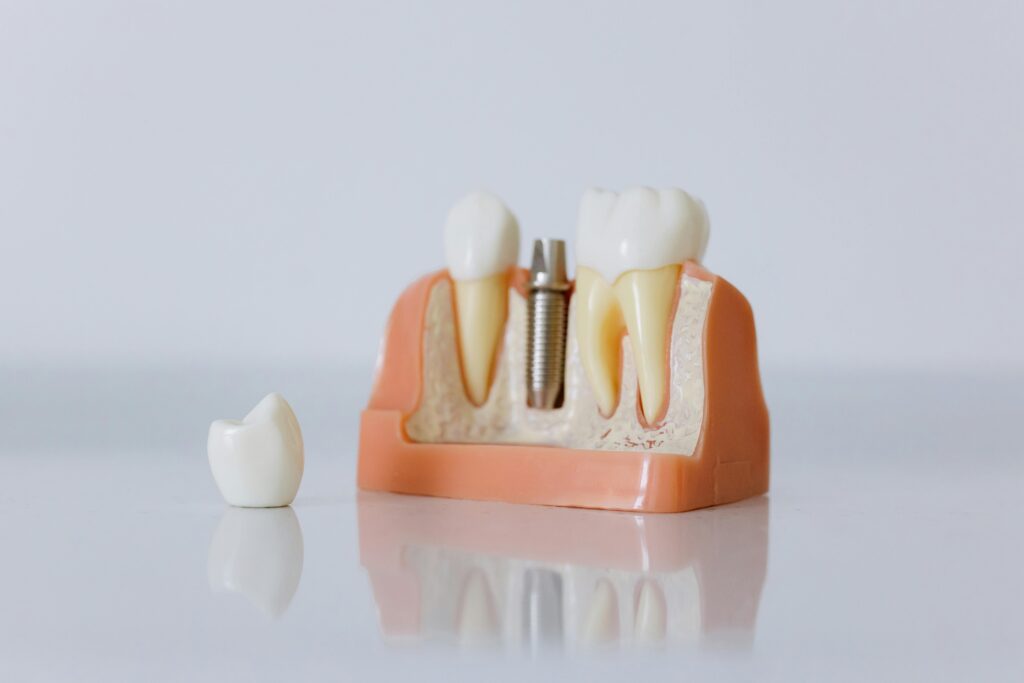
The appeal is easy to understand. An implant can replace a missing root, support a crown that feels close to a natural tooth, and avoid cutting down neighboring teeth for a bridge. But back-tooth implants are not just a scaled-up version of implants in the smile zone. They live in a harsher environment. Forces are higher. Access is tighter. Bone quality may be different. Hygiene can be more challenging. Success depends not only on placing an implant, but on matching the design to the job.
Why back teeth are harder on restorations
Posterior teeth live under substantial load. A front tooth may be involved in biting into a sandwich, but molars finish the work. People who clench or grind often concentrate that pressure on the back of the mouth, especially at night. Even routine chewing can create impressive force over time, and restorations in those areas need to tolerate years of cyclic loading.
This matters because the implant itself is only one part of the system. The crown, the abutment, the screw, the surrounding bone, and the gum tissue all have to cooperate under pressure. When patients hear that implants are strong, they sometimes imagine them as indestructible. Strong is not the same as foolproof. A back-tooth implant has to be planned with width, length, bone support, bite design, and material strength in mind.
There is also a practical challenge that dentists know well and patients feel during treatment. It is simply harder to work in the back of the mouth. Space is reduced. Visibility drops. The cheek, tongue, and saliva all complicate precision. Those are manageable issues, but they reward experience and planning.
What makes an implant a good option for a missing molar or premolar
A well-placed implant in the back of the mouth can be an excellent replacement because it restores function where function matters most. It can stand independently, which is especially useful when the teeth on either side are healthy and do not need crowns. It can help preserve bone in the area, which tends to shrink after a tooth is lost. It can also bring a sense of stability that many patients notice right away once healing is complete.
Patients often compare an implant with a bridge or a removable partial denture. Each has a place. A bridge can be a sound solution when adjacent teeth already need large restorations. A partial denture may make sense when several teeth are missing and budget is tight. But when the goal is to replace one missing back tooth without involving others, an implant is often the most conservative long-term choice from a tooth-preservation standpoint.
The distinction between replacing a premolar and replacing a molar is not trivial. Premolars carry less force than molars and usually occupy narrower spaces. Molars often need broader support because they are expected to handle more load. If a lower first molar is missing, for example, the restoration must withstand some of the highest bite forces in the mouth. That affects everything from implant diameter to crown contours.
Bone matters more than most patients realize
One of the first questions in implant planning is whether there is enough bone to place the implant in a stable, prosthetically useful position. That is not just about volume. It is also about quality. Dense lower jaw bone behaves differently from the softer bone often found in the upper back jaw.
The upper posterior region brings its own common complication, the maxillary sinus. After an upper molar is removed, the sinus can expand downward while the ridge resorbs upward, leaving less vertical bone than patients expect. In those cases, a sinus graft may be discussed. Some people are surprised to learn that the missing tooth is only part of the story. The anatomy around it can shape treatment more than the space itself.
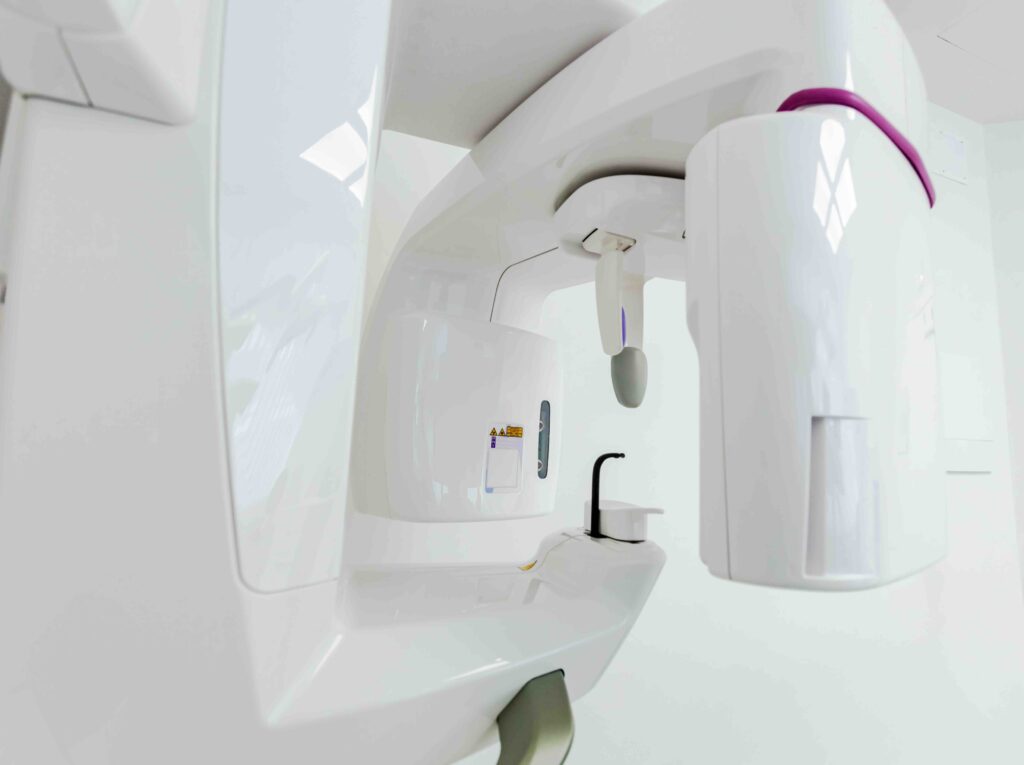
In the lower back jaw, the inferior alveolar nerve becomes the major landmark. There may be enough width in the ridge but limited height above the nerve canal. Careful imaging, usually with a cone beam CT scan, helps determine what is possible. Guesswork has no place here. Millimeters matter.
It is worth saying plainly that not every site is ready for an implant the day a tooth comes out. Some extraction sockets preserve beautifully. Others lose bone rapidly because of infection, root fractures, or thin surrounding walls. Sometimes immediate implant placement is a good option. Sometimes it is a shortcut that creates esthetic or mechanical compromise later. The best approach depends on the tooth, the infection status, the bone left behind, and the ability to achieve primary stability.
Immediate versus delayed placement
Patients often ask whether the implant can go in right after extraction. The answer is sometimes yes, but the better question is whether it should. Immediate placement can shorten treatment time and may help preserve tissue contours in selected cases. In the back of the mouth, though, the anatomy of molar sockets can be tricky. A multi-rooted molar leaves a broad socket, and the implant usually engages bone between or beyond the former roots rather than simply filling the hole.
That works in some cases. In others, delayed placement is more predictable. Waiting can allow the site to heal, infection to resolve, and grafted bone to mature. That delay can feel frustrating, especially for a patient who wants to be done quickly. Still, in posterior implant dentistry, restraint often pays off. There is a big difference between fast treatment and rushed treatment.
I have seen patients do very well with immediate molar implants when the extraction was atraumatic, the bone between roots remained intact, and the bite could be managed during healing. I have also seen cases where forcing the issue led to awkward implant positioning and a crown that was harder to clean for years afterward. A few extra months at the front end can prevent a decade of maintenance headaches.
The design details that affect long-term durability
Back-tooth implants succeed or fail on details that patients rarely see. Diameter is one of them. A narrow implant used Dental Implants in a heavy molar site may technically fit, but that does not automatically make it a wise choice. Wider implants can distribute forces more favorably, assuming there is enough bone and the biology supports it. At the same time, bigger is not always better if placement compromises the surrounding bone walls.
The number of implants also deserves thought. Replacing a single molar with one implant is common and often successful. In a very wide molar space, though, one implant may support a crown with broader occlusal table than ideal, which can create leverage. Some clinicians manage that with careful crown design. In selected situations, two narrower implants may be considered, particularly when replacing a large molar space, though that is not routine for every patient.
The crown material matters too. Monolithic zirconia has become popular for posterior restorations because of its strength and wear characteristics. Porcelain layered over a framework can look excellent, but chipping is a consideration in high-load areas. Metal occlusal surfaces are still used in some cases where function takes priority over cosmetics, though most patients prefer tooth-colored restorations.
The bite must be adjusted thoughtfully. A back-tooth implant does not have a periodontal ligament like a natural tooth. That means it lacks the same microscopic cushioning and sensory feedback. It is stable, but less forgiving under overload. If the implant crown hits too hard or too early in excursions, mechanical complications become more likely. Proper occlusion is not a finishing touch. It is part of the engineering.
Healing is not passive
Osseointegration, the process by which bone bonds to the implant surface, sounds almost automatic when it is described in simple terms. In reality, it is biological healing under mechanical constraints. The implant needs enough initial stability to stay relatively undisturbed while bone remodels around it. Excessive micromovement can interfere with that process.
For back teeth, this becomes relevant when patients want to chew on the implant too soon. Temporary restorations may be possible in some situations, but they must be designed to protect the site. A patient who feels fine a week after surgery may assume the implant is ready for normal use. It is not. Comfort is not the same as biological readiness.
Smoking, uncontrolled diabetes, active periodontal disease, and poor oral hygiene all raise the risk profile. None of these automatically rule out Dental Implants, but they change the conversation. A patient with untreated gum disease elsewhere in the mouth is already showing that the bacterial environment and home care are not under control. Placing an implant into that situation without addressing the foundation is asking the implant to perform in hostile conditions.
What recovery usually feels like
Most patients are relieved to learn that implant surgery for one back tooth is often more manageable than the tooth problem that led to it. A straightforward placement can involve less postoperative discomfort than a difficult extraction. Swelling is usually mild to moderate, depending on whether grafting was needed. Tenderness during chewing is expected while the area settles, but severe pain should not be.
When grafting is involved, especially a sinus graft in the upper posterior jaw, recovery becomes more noticeable. Nasal pressure, activity restrictions, and the instruction not to blow the nose can surprise patients who expected “just an implant.” This is one of the reasons clear preoperative counseling matters. Posterior implant treatment can be simple, but not every posterior implant case is simple.
Patients also need to understand the time horizon. A single straightforward implant may still take several months from extraction or placement to final crown, depending on the protocol. That does not mean something is wrong. It means the treatment is respecting healing.
Common complications, and how they are often prevented
Complications tend to fall into a few categories: biological, mechanical, and planning-related. The planning-related problems are often the most frustrating because they could have been avoided before a drill ever touched bone. An implant placed too far toward the cheek, too close to the neighboring tooth, or at the wrong angle may still integrate, but restoring it properly becomes much harder.
Mechanical problems include screw loosening, crown fracture, porcelain chipping, and wear issues. These are more likely when force control is poor, when there is limited restorative space, or when parafunction such as grinding has not been addressed. A night guard is not glamorous, but it often protects a major investment.
Biological problems include peri-implant mucositis and peri-implantitis, the implant equivalents of soft tissue inflammation and more advanced bone loss. Many patients assume implants cannot decay, which is true, but they can absolutely fail from inflammation and bone loss if plaque control is poor. That risk increases in the back of the mouth because cleaning access is harder and patients tend to miss the distal surfaces.
The preventive basics are not mysterious, but they do require consistency:
- Keep plaque under control with meticulous brushing and cleaning between teeth or around the implant.
- Attend regular maintenance visits so early inflammation is caught before bone loss develops.
- Use a night guard if you clench or grind, especially with molar implants.
- Address smoking and uncontrolled medical issues that impair healing and tissue stability.
- Report looseness, food trapping, or bite changes early instead of waiting until something breaks.
That list may sound ordinary, but in practice it separates durable restorations from troubled ones. Most failed implants are not random events. There is usually a chain of causes.
The hygiene challenge nobody should ignore
Posterior implants can be difficult to clean, especially if the crown contours are bulky or the mouth opening is limited. This is where restorative design and patient dexterity meet reality. If the emergence profile is overbuilt because the implant was placed in a compromised position, the patient may struggle to clean it no matter how motivated they are.
That becomes obvious at review visits. Some crowns look beautiful on the model and much less impressive after six months in the mouth if they trap plaque under the contact or around the tissue collar. The best implant dentistry respects not only surgical placement but maintainability. If a 75-year-old patient with arthritis cannot realistically floss the area, the design has to account for that.
Water flossers can help some patients, though they are not a substitute for mechanical plaque disruption. Interdental brushes are excellent when space allows. Sometimes the most valuable part of a maintenance appointment is not polishing the crown, but teaching a patient exactly how to angle the brush into the back corner they keep missing.
Cost, value, and the long view
Back-tooth implants are an investment, and patients deserve an honest discussion about value rather than a sales pitch. The fee reflects surgery, imaging, restorative components, lab work, clinical time, and often grafting. A bridge may cost less upfront in some markets. A removable option usually costs less still. But upfront fee and long-term value are not the same measurement.
If adjacent teeth are pristine, cutting them for a bridge carries a biological cost. If a partial denture is worn inconsistently, the space may still change over time. On the other hand, if a patient has limited finances and several other untreated problems, placing one premium implant while decay and gum disease progress elsewhere may not be the wisest sequencing of care.
Good treatment planning is not about pushing the most advanced option. It is about choosing the option that fits the mouth, the health status, the expectations, and the budget in a way that remains stable.
Who tends to do especially well with posterior implants
The best candidates are not just healthy enough for surgery. They are also realistic, engaged, and willing to maintain the result. A patient missing a single first molar, with adequate bone, healthy gums, a stable bite, and good home care habits usually does very well. Someone who has broken several teeth from grinding, smokes heavily, skips cleanings, and wants a permanent tooth “with no maintenance” needs a more guarded conversation.
There are also age-related nuances. Younger adults sometimes heal beautifully but have strong bites and years of wear ahead, so durability planning matters. Older adults may present with reduced dexterity, thinner tissue, medical conditions, or a history of periodontal loss, yet still be excellent implant candidates when the case is approached thoughtfully.
These factors often shape the recommendation:
| Consideration | Why it matters for back-tooth implants | |---|---| | Bone volume and quality | Determines whether the implant can be placed in a stable, useful position | | Bite force and grinding | Increases risk of overload, screw loosening, and restorative fracture | | Gum health and hygiene | Strongly affects the risk of peri-implant inflammation | | Space for the crown | Limited vertical room can compromise materials and retention | | Overall treatment priorities | Sometimes other disease control should come before implant placement |
When an implant may not be the best answer
There are cases where a posterior implant is possible but not ideal. If the patient cannot maintain hygiene around it, if the restorative space is extremely limited, if the site demands extensive grafting with uncertain payoff, or if the bite is unstable across the whole arch, another option may serve better.
A short-span bridge can be sensible when adjacent teeth already need crowns. In a patient with significant wear and collapse of the bite, broader rehabilitation may need to come first. For some older patients with low functional demand and multiple missing teeth, a well-made removable prosthesis may restore comfort more predictably than a complex, staged implant plan.
This is where judgment matters more than technology. The goal is Dental Implants not to place as many implants as possible. The goal is to restore function in a way that can survive the realities of that patient’s mouth.
The result patients notice most
When posterior implants go well, the most common patient comment is not about the implant itself. It is that chewing feels normal again. They stop avoiding one side. They are less aware of food catching. The jaw feels more balanced. There is a quiet satisfaction in having a back tooth that simply does its job.
That is the real value of replacing missing molars and premolars effectively. These teeth are not decorative. They are structural. They protect the efficiency of the bite and help preserve the architecture of the mouth over time. Dental Implants, when selected and executed carefully, are often one of the best tools for restoring that function.
Function and durability are the standard for back teeth. A posterior implant has to earn its place every day under load, in a tight space, under conditions that expose weak planning quickly. When the biology is respected, the mechanics are sound, and the maintenance is realistic, it can do that job exceptionally well for many years.
Oaks Dental
5000 Parkway Calabasas Suite 308
Calabasas, CA 91302, United States
+1 818-431-2000
FAQ About Dental Implants
What is the downside of a dental implant?
Implants require surgery and a healing period that can last several months. Possible complications include infection, nerve or sinus injury, damage to nearby teeth and failure to bond with bone. Your dentist should assess your health, bone support and alternatives before recommending treatment.
What do dental implants typically cost?
There is no single price for every implant case. The number of teeth replaced, implant components, final restoration and any grafting or extractions affect the total. Request a written estimate covering every stage and confirm insurance benefits and out-of-pocket costs with the practice.
How long do tooth implants last?
An implant can provide long-term support and may last a lifetime with good oral hygiene and regular dental care, but this is not guaranteed. The crown or other restoration may need replacement sooner. Smoking, gum disease and some health conditions can reduce implant success.